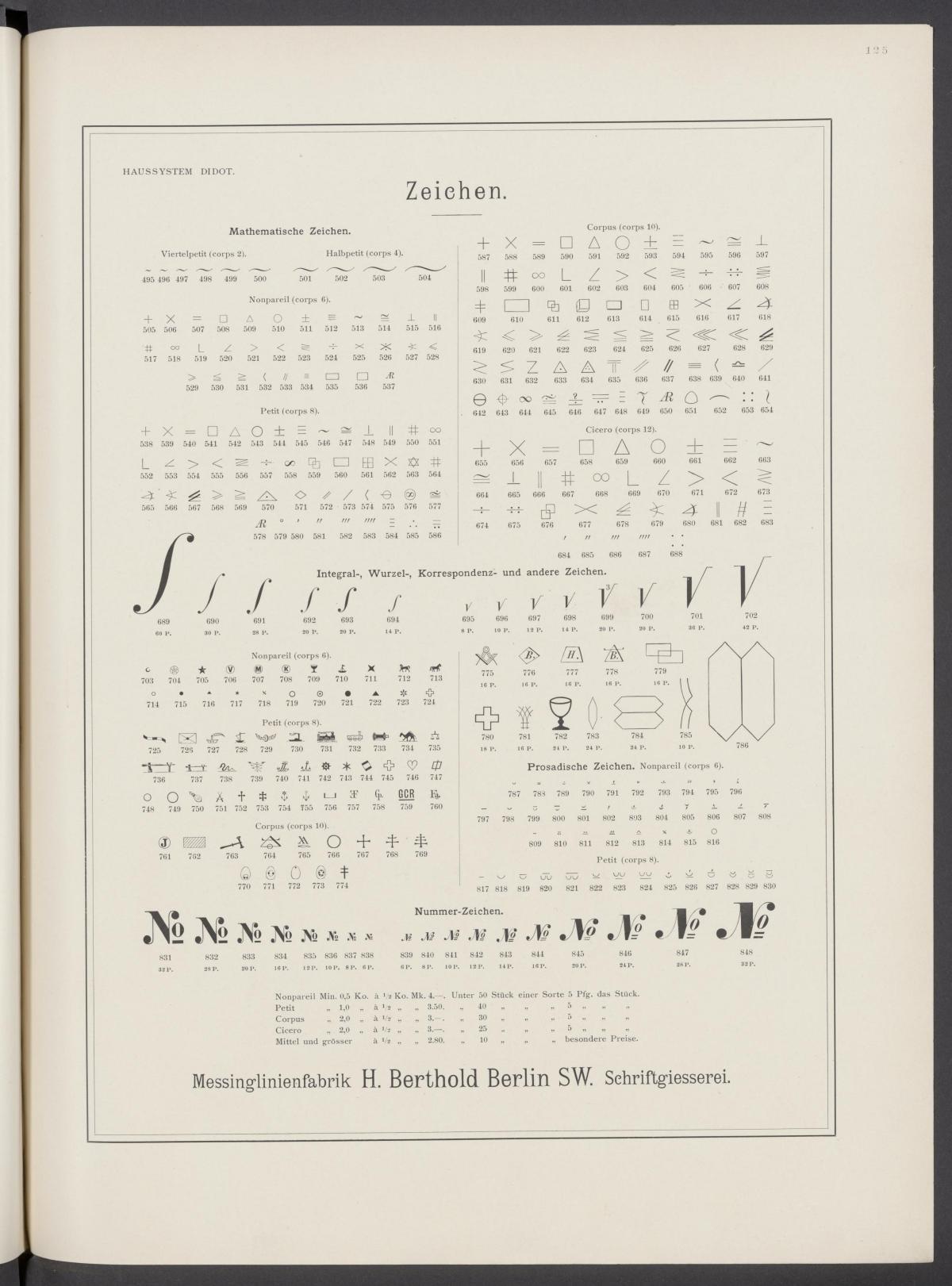
Posted by cokernel_hacker 14 hours ago
A lot of old German sailor maps (e.g. from the Hamburg or Bremen maritime museum exhibitions) contain Azimutal angle descriptions. The globe on an azimutal map is projected from the North Star in the center.
This way you could more easily calculate the angles you would need to use the Sextant (which was focused on the brightest star, the North star). They also used circles (the tool) to calculate relative speeds, current drift etc with it.
I thought this was kind of common knowledge, as a lot of museums have that sorta thing for children in their exhibitions to try out.
The article quotes the Didot system, specifically, which focused on printing travel maps and is known not only in the French speaking world for its timely accuracy [1] as it was also using that very same map system.
Maybe read the article next time?
[1] https://en.wikipedia.org/wiki/Didot_family
[2] https://fr.wikipedia.org/wiki/Histoire_g%C3%A9n%C3%A9rale_de...
Neither the wikipedia page for the Didot family, nor for Histoire générale des voyages shows the Angzarr symbol, I've carefully checked on all the scans on these pages. In fact, any occurrence of the symbol would pre-date the current earliest known example (1963) by 200 years, and that would be a great find. If you have an actual reference, please let us know!
"Haussystem Didot", the title of the catalog, refers to a letter setting by the printing agency Didot, which is the one I linked on wikipedia.
The Gallica scans are linked in the wikipedia article. Each of those chapters has hundreds of pages.
I highly doubt that you eye scanned thousands of pages in French handwritten and mixed typesetted ... within less than a day. You definitely must be lying, they take months to read.
[1] https://ionathan.ch/assets/images/angzarr/Berthold%201900.jp...
> Neither the wikipedia page for the Didot family, nor for Histoire générale des voyages shows the Angzarr symbol, I've carefully checked on all the scans on these pages.
You have linked these two Wikipedia pages[1][2], implying that they confirm your extraordinary claims of how obvious and well-known this symbol is. I could in fact check within a single day that the symbol does not appear on any of the 15 images linked in these pages.
So unless you can produce evidence for your claim that "that symbol was used as a notation symbol in those star charts and azimutal maps?", it is quite disingenuous to expect anyone to take it seriously. Expecting someone else to read "thousands of pages" to confirm or deny YOUR claim makes it even less worthy of consideration.
If you do have actual, material evidence for your claims, everyone in this thread would very much like to see it.
[1] https://en.wikipedia.org/wiki/Didot_family [2] https://fr.wikipedia.org/wiki/Histoire_g%C3%A9n%C3%A9rale_de...